What if the key to your family's safety lies within your pantry? A well-prepared emergency food supply doesn't just provide sustenance; it offers peace of mind during uncertain times. The steps to building a balanced pantry can transform your home into a safe haven when disruptions occur.
What You Will Learn
The importance of having an emergency food supply for peace of mind and self-sufficiency.
How to define a balanced emergency pantry that meets nutritional needs.
Essential items to include in your emergency pantry for a varied diet.
Practical steps to build and maintain your emergency food supply over time.
Engagement strategies to assess your pantry readiness and share knowledge with your community.
Emergency Pantry Readiness Checklist
Evaluate your current emergency pantry status with this quick checklist and identify areas for improvement.
Minimum Reserve Duration
Do you have a minimum of three months' worth of non-perishable food?
✓
Proper Storage Conditions
Are your items stored in a cool, dry place?
✓
Food Group Variety
Have you included a variety of food groups?
✓
Expiration Date Management
Do you regularly check expiration dates on your supplies?
✓
Emergency Accessibility
Is your food easily accessible in the event of an emergency?
✓
Understanding the Importance of a Balanced Emergency Pantry
As an urban survival expert, I often emphasize the crucial role of a balanced emergency pantry in every home. It's not just about having food stockpiled away; it’s about peace of mind. When you have a well-thought-out emergency food supply, you’re not just preparing for disasters; you’re also investing in your family’s security. Picture this: a natural disaster strikes, and while others scramble, you confidently know that your pantry is equipped to provide for your loved ones.
A balanced emergency pantry ensures you are ready for any situation, whether it’s a storm, a pandemic, or an unexpected disruption. By planning ahead, you can alleviate anxiety and focus on what truly matters - your family’s safety and well-being!
Why Every Home Needs an Emergency Food Supply
Every home should have an emergency food supply. However, many people overlook its significance. A well-stocked pantry can be a lifesaver during emergencies. It gives you the ability to remain self-sufficient when outside resources may be scarce. Whether it’s a snowstorm that keeps you indoors or a longer-term crisis, having food on hand is essential. Various government programs, such as the Emergency Food Assistance Program (TEFAP), are designed to assist low-income individuals and families with emergency food, underscoring the critical need for preparedness at all levels. Additionally, resources like USA.gov's emergency food assistance information and the California Department of Social Services' emergency food resources highlight public support systems available during times of crisis, further emphasizing the importance of securing your own supply.
Provides peace of mind knowing you are prepared.
Ensures your family’s nutritional needs are met.
Allows you to avoid last-minute panic buying during crises.
By preparing in advance, you're not just relying on luck. You’re taking control of your situation and ensuring that your household can weather any storm.
Defining a Balanced Emergency Pantry
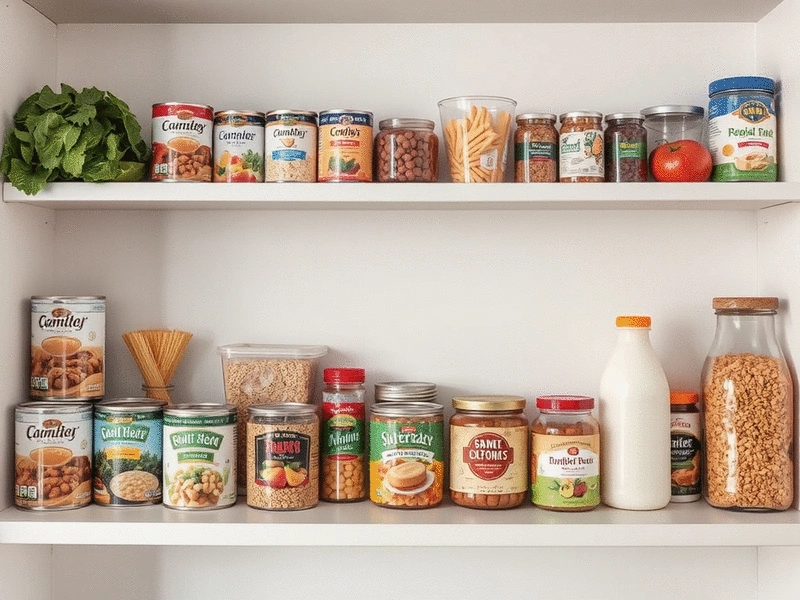
So, what exactly constitutes a balanced emergency pantry? A balanced pantry goes beyond just stocking up on any food items. It focuses on nutritional needs and variety to ensure that your family remains healthy during emergencies.
Include a mix of grains, such as rice and pasta for carbohydrates.
Stock up on proteins, including canned beans, nuts, and dried meats.
Add a selection of fruits and vegetables to cover essential vitamins.
In essence, a balanced emergency pantry is about diversity in food types to maintain not just survival, but health and well-being during challenging times.
Key Components of an Emergency Pantry: Essential Items to Include
When building your emergency pantry, it’s important to focus on key components that will provide a variety of nutrients. Here is a list of crucial items to consider:
Canned goods (vegetables, fruits, and meats)
Dried beans and lentils
Shelf-stable milk or alternatives
Whole grains (rice, quinoa, oats)
Nut butters for protein
Dehydrated and freeze-dried meals
Spices and seasonings for flavor
These items not only offer essential nutrition but also ensure that you have a varied diet. By including these key components, you can feel confident that you’re prepared for any situation.
Quick Summary
Here's a brief recap of the key points discussed so far:
A balanced emergency pantry is essential for peace of mind and preparedness during crises.
Key components of a balanced pantry include grains, proteins, and a variety of fruits and vegetables.
Regular maintenance of your emergency pantry ensures long-term readiness and nutritional value.
Taking Action: Building Your Balanced Emergency Pantry
Steps to Get Started on Your Emergency Food Supply
Building your emergency food supply doesn’t have to be overwhelming! Here’s a practical checklist to kickstart your journey toward a well-balanced emergency pantry:
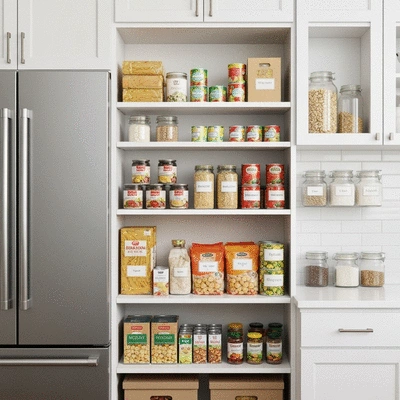
Assess Your Space: Determine how much space you can dedicate to food storage in your kitchen or pantry.
Set a Budget: Decide how much you’re willing to invest in your emergency pantry to avoid overspending.
Make a List: Create a list of essential items you want to include, focusing on non-perishable foods.
Start Small: Begin with a few items each week, gradually building your supply.
Prioritize Nutrients: Ensure your selections include a variety of proteins, grains, and vegetables.
By following these steps, you can create a solid foundation for your emergency food supply. Remember, it’s all about taking one step at a time!
Interactive Engagement: Assess Your Pantry Readiness
Are you curious about how ready your pantry is for an emergency? I encourage you to take a moment for a self-assessment! Here’s a simple checklist to evaluate your current pantry status:
Do you have a minimum of three months' worth of non-perishable food?
Are your items stored in a cool, dry place?
Have you included a variety of food groups?
Do you regularly check expiration dates on your supplies?
Is your food easily accessible in the event of an emergency?
Going through this checklist can help you identify areas for improvement and ensure that your pantry is adequately stocked for whatever may come. Check it off and take some notes on what you might need to add!
Meal Planning Strategies for Your Emergency Pantry
Now that you’ve started building your pantry, let’s talk about meal planning! Using your emergency supplies effectively is key to maintaining variety and nutrition. Here are some tips to create meal plans with your emergency foods:
Utilize Versatile Ingredients: Choose staple foods that can be used in multiple recipes, like rice, beans, and canned vegetables.
Plan for Variety: Rotate between different types of meals, such as soups, casseroles, or stir-fries to keep things interesting.
Incorporate Snacks: Don’t forget about snacks! Include items like granola bars or trail mix to satisfy cravings.
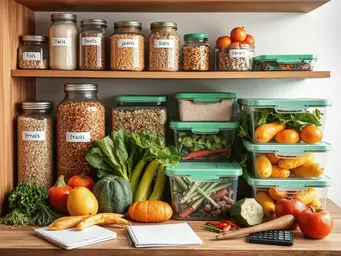
Pre-Prep Meals: Consider preparing meals in advance and storing them in airtight containers for quick access during an emergency.
By planning your meals around your emergency supplies, you enhance both the flavor and nutritional value of your food. It’s all about making sure you’re not just prepared, but also enjoying your emergency meals!
Frequently Asked Questions About Emergency Pantries
What is a balanced emergency pantry?
A balanced emergency pantry is a well-stocked supply of non-perishable food items that provides a variety of nutrients, including grains, proteins, and fruits/vegetables, to sustain a family during emergencies while maintaining health and well-being.
How much food should I store for an emergency?
It is recommended to have a minimum of three months' worth of non-perishable food. The exact quantity will depend on your family's size and dietary needs.
What are essential items to include in an emergency pantry?
Key items include canned goods (vegetables, fruits, meats), dried beans and lentils, shelf-stable milk, whole grains (rice, quinoa, oats), nut butters, dehydrated/freeze-dried meals, and spices for flavor.
How do I maintain my emergency pantry?
Regularly inspect items for expiration dates, rotate your stock by using older items in your daily meals and replacing them, and keep an inventory list to track what you have and what needs replenishing. Reviewing your pantry every six months is a good practice.
Why is community preparedness important?
Engaging with friends and family about emergency preparedness fosters a supportive network. Sharing resources, ideas, and experiences can help build a stronger community that is better equipped to handle emergencies collectively.
Final Thoughts on Emergency Food Preparedness
Maintaining Your Emergency Pantry for Long-Term Readiness
Creating an emergency pantry is just the beginning! To ensure your supplies remain effective, regular checks and updates are essential. Make it a habit to review your pantry every six months:
Inspect for Expiration: Check the dates on all items and rotate your stock accordingly.
Restock as Needed: If items are nearing expiration, use them in your regular meals and replace them promptly.
Keep an Inventory: Maintain a simple inventory list to track what you have and what needs replenishing.
By staying proactive about your emergency pantry, you can feel confident that you and your loved ones are always prepared!
Encouraging Community Preparedness and Support
Lastly, let’s not forget the power of community! Discussing emergency preparedness with friends and family can foster a supportive network. Here’s how to encourage others:
Host a Gathering: Organize a gathering where everyone can share their emergency preparedness strategies!
Form a Group: Consider forming a local group dedicated to prepping and exchanging resources and ideas.
Share Knowledge: Don’t hesitate to share tips and insights from your own experiences and learn from others.
Together, you can build a stronger community that’s ready for anything. Let’s spread the word and empower one another in our journey toward self-sufficiency!
Recap of Key Points
Here is a quick recap of the important points discussed in the article:
A balanced emergency pantry provides peace of mind and ensures your family's nutritional needs are met during crises.
Key components include a variety of grains, proteins, fruits, and vegetables to maintain health and well-being.
Regularly assess and update your pantry to ensure it remains stocked and ready for emergencies.
Utilize versatile ingredients and plan meals that incorporate your emergency supplies for nutrition and variety.
Engage your community in discussions about preparedness to foster a supportive network.
Gavin Lakewood
Meet Gavin Lakewood, urban survival expert and founder of Urban Sustenance Solutions. With years of hands-on experience, Gavin empowers city dwellers to achieve self-sufficiency through smart food storage, water purification, and practical emergency strategies—all tailored for apartment and urban living. His mission? To equip you with the knowledge and confidence to keep your family nourished, hydrated, and resilient, no matter what challenges come your way.
Urban Sustenance Solutions is dedicated to empowering urban dwellers and families with practical food storage and water purification strategies designed for city living. Our mission is to simplify urban prepping by providing actionable insights for sustainable self-sufficiency and resilience in any emergency.
Start your urban prepping journey by mastering food storage techniques tailored for small spaces. Transform your apartment pantry into a sustainable supply hub with smart organization and preservation methods!
Explore water purification solutions perfect for city living—from portable filters to innovative DIY systems—to ensure clean hydration wherever you are.
Compare survival food kits designed for urban preppers: learn which offers the best shelf life, nutrition, and ease of storage within limited apartment space.
Maximize shelf life and freshness with vacuum sealing and dehydrating techniques that suit urban lifestyles—cut waste and boost your emergency readiness.
Prioritize mobile and compact gear for your survival kit. Efficient, space-saving tools can make all the difference in an urban emergency.
Stay informed with practical tips from Gavin Lakewood, an urban survival expert focused on empowering city dwellers with actionable food and water independence strategies.
Take control of your preparedness today. Embrace Urban Sustenance Solutions’ expert advice to build resilience and confidence in your urban survival plan.