Budget-Friendly Food Supply Solutions
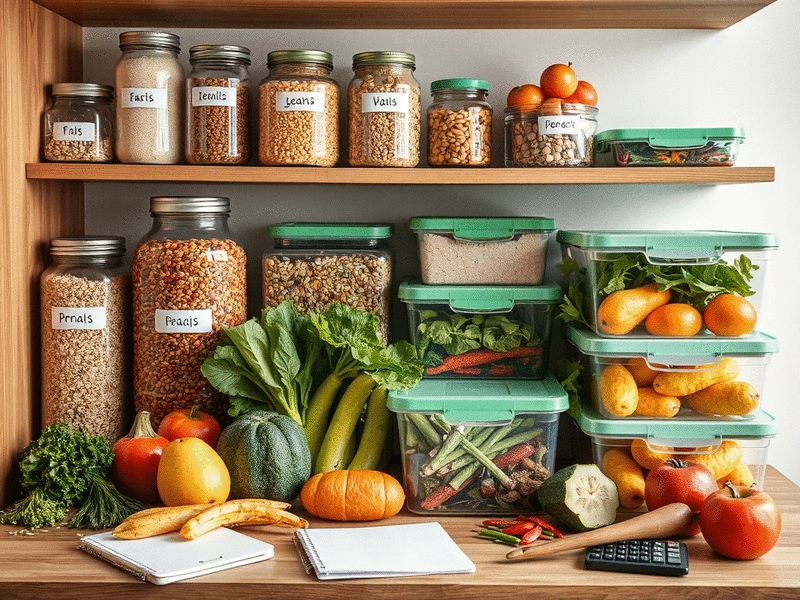
In the realm of urban survival, preparedness extends beyond mere supplies; it’s about crafting a sustainable lifestyle. As we navigate the complexities of city living, understanding how to establish a long-term food supply system becomes essential. Here are some valuable insights that will empower you to take control of your food and water security.
What You Will Learn
- Creating a reliable food supply is vital for urban survival during emergencies.
- Establishing a food supply system can be budget-friendly, focusing on bulk purchases and strategic planning.
- Assessing your food security needs based on family size and storage space is crucial for building an effective plan.
- Integrating emergency water storage with food supplies enhances overall preparedness and survival strategies.
- Understanding the role of water in food preparation and hygiene is essential for maintaining health during crises.
- Implementing cost-effective water storage solutions can ensure access to clean drinking water when it matters most.
Urban Survival Preparedness: Food vs. Water Strategy
This visual highlights key considerations for building a robust long-term food and water supply system, emphasizing their distinct roles and integration.
Long-Term Food Supply
- Objective: Sustained nourishment during emergencies.
- Budget Focus: Cost efficiency (bulk, sales), reduced waste.
- Key Needs: Family size, dietary preferences, storage space.
- Preparedness: Planning, preservation techniques, community support.
Essential for Survival
Emergency Water Storage
- Objective: Safe drinking water, hydration, food prep.
- Importance: Life-sustaining, crucial for food preparation/hygiene.
- Daily Needs: 1 gallon/person/day, minimum 3 days.
- Cost-Effective: Food-grade containers, repurpose bottles, rainwater.
Lifeline in Crisis
Understanding the Importance of a Long-Term Food Supply System
When it comes to urban survival, establishing a long-term food supply system is crucial. It’s not just about having a few cans of soup in your pantry; it’s about creating a reliable source of nourishment that can sustain you and your family during emergencies. With a well-planned food supply, you can ensure that you’re prepared for any situation, be it a natural disaster or a sudden disruption in the food chain.
Building a long-term food supply system doesn’t have to be daunting or expensive. In fact, it can be quite manageable, especially for those of us living in urban environments where space is limited. Let’s explore why it’s essential to have a food supply and how to approach it effectively.
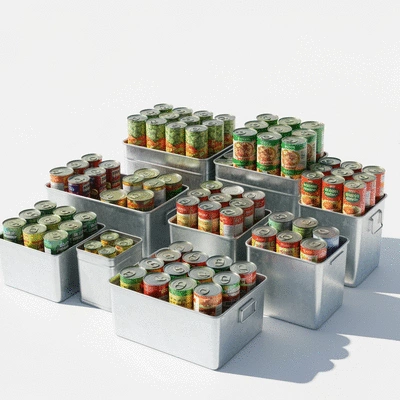
Why Build a Food Supply on a Budget?
One of the significant benefits of establishing a food supply is that you can do it on a budget. You don’t need to break the bank to start preparing. In fact, here are a few reasons to focus on budget-friendly strategies:
- Cost Efficiency: Buying in bulk or taking advantage of sales can lead to significant savings.
- Reduced Waste: With a strategic plan, you’ll minimize spoilage and maximize the shelf life of your foods.
- Peace of Mind: Knowing you have food stored away can alleviate anxiety in uncertain times.
By focusing on budget-friendly options, you can build a food supply that meets your needs without overspending. It’s all about making smart choices and being resourceful!
Assessing Your Food Security Needs
Before you dive into building your food supply, it’s essential to assess your personal food security needs. Consider factors such as:
- Your family size and dietary preferences
- How much space you have for storage
- Your access to fresh food sources in your area
Taking the time to evaluate these aspects will help you create a tailored plan for your food supply. It’s all about understanding what works best for you and your family! For further insights into ensuring food access and security, you can refer to reports on reducing barriers to food access.
Exploring Emergency Preparedness and Its Role in Food Security
Emergency preparedness plays a pivotal role in food security. It’s not just about having food on hand; it’s also about knowing how to manage it effectively. Here are some key elements to consider:
- Planning: Develop a clear plan that outlines your food supply goals and how you will achieve them.
- Education: Learn various food preservation and storage techniques that suit your urban lifestyle.
- Community: Engage with local resources and networks that support urban prepping—this can be invaluable! Initiatives like increasing state sourcing of local foods can also contribute to regional food security.
By incorporating these elements into your emergency preparedness strategy, you’ll be well on your way to enhancing your food security and resilience in any situation. So, let’s get started on building your food supply journey!
Pro Tip
Did you know? Regularly rotating your food and water supplies is crucial for maintaining their freshness and safety. Implement a system where you use older items first and restock with new purchases, ensuring that nothing goes to waste over time.
Frequently Asked Questions
A long-term food supply system is crucial for urban survival because it provides a reliable source of nourishment during emergencies, such as natural disasters or disruptions in the food chain, ensuring you and your family are sustained.
Yes, building a food supply system can be budget-friendly. Strategies like buying in bulk, taking advantage of sales, and strategic planning can lead to significant savings while minimizing waste.
When assessing your food security needs, consider your family size, dietary preferences, available storage space, and access to fresh food sources in your area. This will help you create a tailored plan.
Emergency water storage is equally crucial because clean water is essential for hydration, food preparation, hygiene, and overall survival. Without water, even a well-stocked food supply can become unusable.
Cost-effective water storage solutions include using food-grade plastic containers for large quantities, repurposing clean, empty soda bottles for smaller amounts, and investing in a rainwater collection system if feasible.
Integrating Emergency Water Storage with Food Supplies
When we think about emergency preparedness, water is often overlooked in favor of food supplies. However, as an urban survival expert, I can confidently say that water is just as crucial as food. You may have all the canned goods and freeze-dried meals stored away, but without access to safe drinking water, your plans could quickly unravel. It’s vital to integrate emergency water storage with your food supplies to create a well-rounded survival strategy.
Let’s face it: in any emergency situation, clean water is your lifeline. Your body needs it to function, and when it comes to food preparation, water is a key ingredient. So, how can you ensure that your water supply is just as robust as your food storage? One gallon per person per day is often recommended for emergency water supplies, as outlined by the USDA. Here are some essential points to consider:
- Assess your daily water needs based on your household size
- Plan for a minimum of one gallon per person per day for at least three days
- Consider the types of containers you’ll use for storing water
By understanding the importance of water in your supply chain, you can elevate your preparedness game and provide peace of mind for you and your family.
Understanding the Importance of Water in Your Supply Chain
Water is not just an afterthought in your food supply system; it’s an integral component that supports everything you do. Imagine being fully stocked with food supplies yet having no way to prepare or consume them due to a water shortage! This is why understanding water’s role is essential. Not only does it keep you hydrated, but it also helps in cooking, cleaning, and food preservation.
Here are a few ways to grasp water’s significance in your emergency food supply:
- Water allows for food preparation, ensuring meals are safe and nutritious
- It aids in the cleaning and sanitization of cooking utensils and surfaces
- Water is vital for personal hygiene, especially during emergencies
By recognizing these factors, you can prioritize water storage alongside your food supplies, creating a more comprehensive emergency plan.
Cost-Effective Water Storage Solutions
Now that we’ve established the importance of water, let’s talk about how to store it effectively without breaking the bank. As I always say, preparedness doesn’t have to be expensive! Here are some cost-effective water storage solutions that anyone can implement:
- Use food-grade plastic containers for storing large quantities of water
- Repurpose clean, empty soda bottles as smaller water storage solutions
- Invest in a rainwater collection system if possible, as it can be a sustainable source
Implementing these options not only saves you money but also ensures you have access to water when it matters most. Just remember to label your containers and check for any signs of degradation over time!
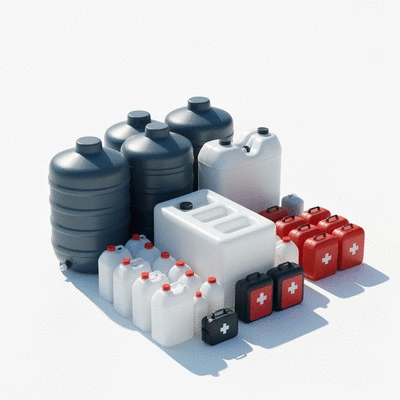
Recap of Key Points
Here is a quick recap of the important points discussed in the article:
- Establishing a long-term food supply system is essential for urban survival, ensuring nourishment during emergencies.
- Budget-friendly strategies like bulk buying and smart planning can help you build a food supply without overspending.
- Assess your personal food security needs by considering family size, dietary preferences, and storage space.
- Emergency preparedness involves planning, education, and community engagement to enhance food security.
- Integrate emergency water storage with food supplies, as water is crucial for food preparation and hygiene.
- Utilize cost-effective water storage solutions, such as food-grade containers and rainwater collection systems.

Gavin Lakewood
Meet Gavin Lakewood, urban survival expert and founder of Urban Sustenance Solutions. With years of hands-on experience, Gavin empowers city dwellers to achieve self-sufficiency through smart food storage, water purification, and practical emergency strategies—all tailored for apartment and urban living. His mission? To equip you with the knowledge and confidence to keep your family nourished, hydrated, and resilient, no matter what challenges come your way.
Popular Posts
Selecting Water Purification Tablets Wisely
![How to Choose the Right Water Purification Tablets for Your Needs]() Water is essential for life, yet many may overlook the importance of ensuring its cleanliness. As we
Water is essential for life, yet many may overlook the importance of ensuring its cleanliness. As we
 Water is essential for life, yet many may overlook the importance of ensuring its cleanliness. As we
Choosing Food Containers for Survival
![The Ultimate Guide to Choosing the Right Food Containers for Urban Survival: Mylar Bags vs. Other Options]() Did you know that effective food preservation can significantly improve your preparedness during eme
Did you know that effective food preservation can significantly improve your preparedness during eme
 Did you know that effective food preservation can significantly improve your preparedness during eme
Simple DIY Water Purification Methods
![DIY Water Purification Techniques: A Step-by-Step Guide]() In today's urban landscape, the ability to purify water is not just a skill; it's a vital necessity.
In today's urban landscape, the ability to purify water is not just a skill; it's a vital necessity.
 In today's urban landscape, the ability to purify water is not just a skill; it's a vital necessity.
Budget-Friendly Food Supply Solutions
![How to Build a Long-Term Food Supply System on a Budget: Cost-Effective Strategies]() In the realm of urban survival, preparedness extends beyond mere supplies; it’s about crafting a s
In the realm of urban survival, preparedness extends beyond mere supplies; it’s about crafting a s
 In the realm of urban survival, preparedness extends beyond mere supplies; it’s about crafting a s
