Did you know that effective food preservation can significantly improve your preparedness during emergencies? In urban environments, understanding how to store food safely and efficiently is crucial for ensuring your family’s well-being. Here’s what you’ll take away from this insightful article.
What You Will Learn
Choosing durable, food-safe containers is essential for preventing contamination and ensuring food safety.
Understanding the shelf life of different foods helps you rotate your supplies effectively and avoid waste.
Airtight seals on containers protect food from moisture and pests, extending its shelf life significantly.
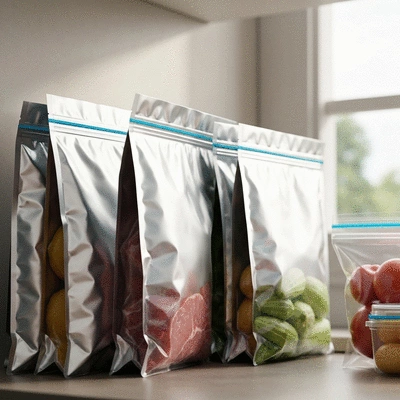
Mylar bags are effective for long-term storage due to their moisture-proof and light-blocking properties.
Regular inspections and clear labeling of food supplies are key practices for maintaining food safety and quality.
Food Preservation Container Comparison for Urban Survival
Understanding the key characteristics and limitations of different food storage containers is vital for effective urban survival preparedness. This comparison highlights common options, focusing on their benefits and drawbacks.
Mylar Bags
Benefits:
Excellent moisture-proof barrier
Effective pest protection
Blocks light, preserving food quality
Significantly extends shelf life
Drawbacks:
Generally single-use
Susceptible to punctures
Not ideal for liquids
Long-Term Storage
Vacuum-Sealed Bags
Benefits:
Preserves food freshness exceptionally well
Removes oxygen, slowing spoilage
Compact storage, saves space
Drawbacks:
Durability can be limited (punctures)
Requires a vacuum sealer machine
Less light protection than Mylar
Freshness & Space
Airtight Containers (e.g., Plastic/Glass)
Benefits:
Prevents spoilage by blocking air and moisture
Reusable and easy to clean
Good for urban environments (stackable)
Drawbacks:
Less effective for very long-term storage
Can be bulky, taking up space
Plastic can degrade over time
Everyday & Medium-Term
Mason Jars & Food-Grade Buckets
Benefits:
Durable and reusable (jars)
Excellent for bulk storage (buckets)
Can be easily sealed for airtight storage
Drawbacks:
Heavy and fragile (jars)
Buckets can be very bulky
Require proper sealing techniques
Versatile Bulk Storage
Understanding Food Preservation for Urban Survival
When it comes to urban survival, understanding food preservation is essential. In our fast-paced city lives, the ability to store food safely without sacrificing quality can make a significant difference during emergencies. At Urban Sustenance Solutions, I've seen firsthand how the right strategies can enhance your preparedness and self-sufficiency.
Food preservation is not just about survival; it’s about ensuring that your family has access to nutritious and safe meals during challenging times. By focusing on effective food storage practices, you can maintain the availability of vital supplies when they matter most!
The Role of Food Containers in Emergency Preparedness
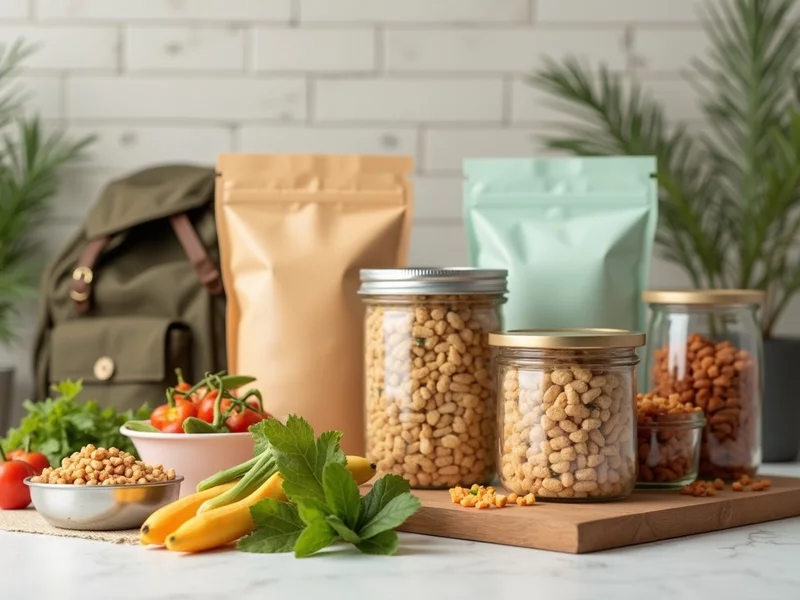
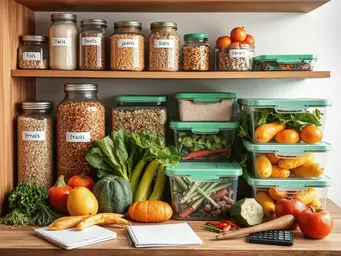
Selecting the right food containers is crucial in urban survival scenarios. The containers you choose directly impact food safety and the overall availability of your supplies. According to the Penn State Extension, choosing durable, food-safe materials is paramount. Here are some factors to consider:
Material quality: Opt for durable, food-safe materials that prevent contamination.
Seal integrity: Ensure that containers have airtight seals to keep moisture and pests out.
Size and shape: Select containers that fit your storage space and are easy to stack.
Investing in good food containers is an investment in your family's safety. Properly sealed and stored food can significantly extend its shelf life, making sure you are prepared for any situation that may arise.
Key Factors in Long-Term Food Storage
When preserving food, several key factors must be evaluated to ensure its longevity. Here are the essentials:
Shelf life: Different foods have varying shelf lives; understanding these will help you rotate your supplies effectively.
Protection from environmental factors: Exposure to heat, light, and moisture can degrade food quality. Choose appropriate containers that minimize these risks.
Suitability for urban settings: Consider space-saving options that work well in apartments or small homes.
Each of these factors plays a vital role in maintaining the quality of your food supplies. By thoughtfully considering your choices, you can avoid waste and ensure that your food storage meets your urban lifestyle needs.
Importance of Food Safety and Quality in Urban Environments
Food safety and quality should never be compromised, especially in urban environments where access to fresh supplies may be limited. Proper storage is key to maintaining both. The FDA provides guidance on safely storing food, emphasizing key practices. Here are some important practices:
Temperature control: Store food in cool, dark places to slow spoilage.
Regular inspections: Periodically check your supplies for any signs of spoilage or pest infestation.
Labeling: Use clear labels with dates to keep track of what needs to be used first.
By prioritizing food safety and quality, you not only protect your family’s health but also gain peace of mind knowing that you're prepared for anything. Urban prepping is about creating a sustainable lifestyle that allows you to thrive in any situation!
Mylar Bags: An In-Depth Look
Benefits of Using Mylar Bags for Food Storage
Mylar bags have gained popularity among preppers for their numerous benefits in food storage. Here's why they are a solid choice:
Moisture-proof: Mylar bags are excellent at keeping moisture out, which is crucial for long-term storage.
Pest protection: They serve as an effective barrier against insects and rodents.
Light protection: Mylar bags block light, which helps preserve food quality and flavor.
Using Mylar bags can significantly extend the shelf life of your food, making them a fantastic addition to your urban survival toolkit!
Common Concerns and Drawbacks of Mylar Bags
While Mylar bags are incredibly useful, they do come with some limitations. Here are a few concerns to keep in mind:
Single-use nature: Once opened, Mylar bags are generally not reusable.
Puncture risks: They can be susceptible to punctures, so careful handling is necessary.
Challenges with liquid storage: Mylar bags are not ideal for storing liquids, which can lead to leaks.
Understanding these drawbacks is essential for making informed decisions about your food storage methods. Mylar bags work best in conjunction with other storage solutions to maximize your preparedness.
We Want to Hear From You!
What is your biggest challenge when it comes to food preservation in an urban setting? Share your thoughts below:
Frequently Asked Questions About Urban Food Preservation
Q: Why is food preservation important for urban survival?
A: Effective food preservation ensures access to nutritious and safe meals during emergencies, enhancing preparedness and self-sufficiency in urban environments where fresh supplies might be limited. The CDC provides guidelines on keeping food safe after an emergency, highlighting its critical role.
Q: What are the key factors to consider when choosing food containers?
A: Key factors include material quality (durable, food-safe), seal integrity (airtight to keep out moisture and pests), and size/shape (to fit storage space and allow stacking).
Q: How can I extend the shelf life of my food supplies?
A: Extend shelf life by understanding individual food shelf lives, protecting food from environmental factors like heat and light, and using appropriate containers such as Mylar bags for long-term storage.
Q: What are the benefits of using Mylar bags for food storage?
A: Mylar bags offer excellent moisture-proof and light-blocking properties, effectively protect against pests, and significantly extend the shelf life of food, making them ideal for long-term storage.
Q: What are some drawbacks of Mylar bags?
A: Mylar bags are generally single-use, susceptible to punctures, and not suitable for storing liquids, which can lead to leaks.
Summarizing Key Takeaways on Food Containers
When it comes to urban survival, choosing the right food storage containers is crucial. Throughout our discussion, we’ve explored various options, each with its unique benefits and potential drawbacks. It's essential to consider factors like moisture resistance, light protection, and overall durability when making your selection.
Understanding the role of containers in maintaining food safety and extending shelf life is vital for anyone looking to improve their preparedness. Below, I've summarized the key points to help you make informed choices:
Mylar bags offer excellent protection against moisture and light, making them ideal for long-term storage.
Vacuum-sealed bags are great for preserving food freshness but may not always provide the same level of durability.
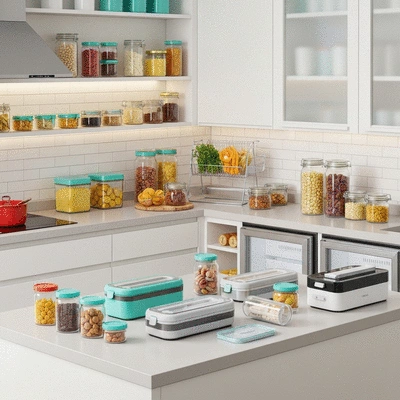
Airtight containers help prevent spoilage by blocking air and moisture, crucial for urban environments where space is limited.
Other options like mason jars and food-grade buckets can also be effective, depending on the type of food and storage conditions.
By evaluating these essential factors, you can ensure your food supply remains safe and accessible during emergencies. Remember, the right container choice is more than just a matter of preference; it's about ensuring your family's resilience in challenging times.
Empowering Urban Survival Preparedness Through Informed Choices
As I always emphasize in my work at Urban Sustenance Solutions, preparation begins with knowledge. I encourage you to assess your unique urban survival needs and take a closer look at your food storage options. Are you primarily focusing on space efficiency? Or do you prioritize the longevity of your food supplies?
Making educated decisions regarding your food containers can significantly impact your overall preparedness. Consider what foods you want to store, the duration of storage, and how often you might access these supplies. Here are a few tips to keep in mind:
Evaluate your living space and choose containers that maximize both storage capacity and accessibility.
Look for products that align with your environmental values, like reusable or eco-friendly containers.
Invest in a variety of storage solutions to accommodate different types of food—this flexibility will serve you well.
By taking these proactive steps, you’ll not only enhance your urban survival skills but also foster a sense of confidence and self-sufficiency in your family. Let’s get prepared and embrace the peace of mind that comes with being ready for anything!
Recap of Key Points
Here is a quick recap of the important points discussed in the article:
Choose Quality Containers: Opt for durable, food-safe materials with airtight seals to ensure food safety.
Consider Shelf Life: Be aware of the varying shelf lives of different foods and rotate your supplies accordingly.
Minimize Environmental Risks: Store food away from heat, light, and moisture to maintain quality.
Utilize Mylar Bags: These bags are moisture-proof, pest-resistant, and light-blocking, ideal for long-term storage.
Regular Inspections: Periodically check food supplies for spoilage or pest issues to ensure safety.
Labeling is Key: Use clear labels with dates to track food usage and minimize waste.
Diverse Storage Solutions: Invest in various types of containers to meet the specific needs of different food types.
Gavin Lakewood
Meet Gavin Lakewood, urban survival expert and founder of Urban Sustenance Solutions. With years of hands-on experience, Gavin empowers city dwellers to achieve self-sufficiency through smart food storage, water purification, and practical emergency strategies—all tailored for apartment and urban living. His mission? To equip you with the knowledge and confidence to keep your family nourished, hydrated, and resilient, no matter what challenges come your way.
Urban Sustenance Solutions is dedicated to empowering urban dwellers and families with practical food storage and water purification strategies designed for city living. Our mission is to simplify urban prepping by providing actionable insights for sustainable self-sufficiency and resilience in any emergency.
Start your urban prepping journey by mastering food storage techniques tailored for small spaces. Transform your apartment pantry into a sustainable supply hub with smart organization and preservation methods!
Explore water purification solutions perfect for city living—from portable filters to innovative DIY systems—to ensure clean hydration wherever you are.
Compare survival food kits designed for urban preppers: learn which offers the best shelf life, nutrition, and ease of storage within limited apartment space.
Maximize shelf life and freshness with vacuum sealing and dehydrating techniques that suit urban lifestyles—cut waste and boost your emergency readiness.
Prioritize mobile and compact gear for your survival kit. Efficient, space-saving tools can make all the difference in an urban emergency.
Stay informed with practical tips from Gavin Lakewood, an urban survival expert focused on empowering city dwellers with actionable food and water independence strategies.
Take control of your preparedness today. Embrace Urban Sustenance Solutions’ expert advice to build resilience and confidence in your urban survival plan.