Rotating Your Food Storage Efficiently
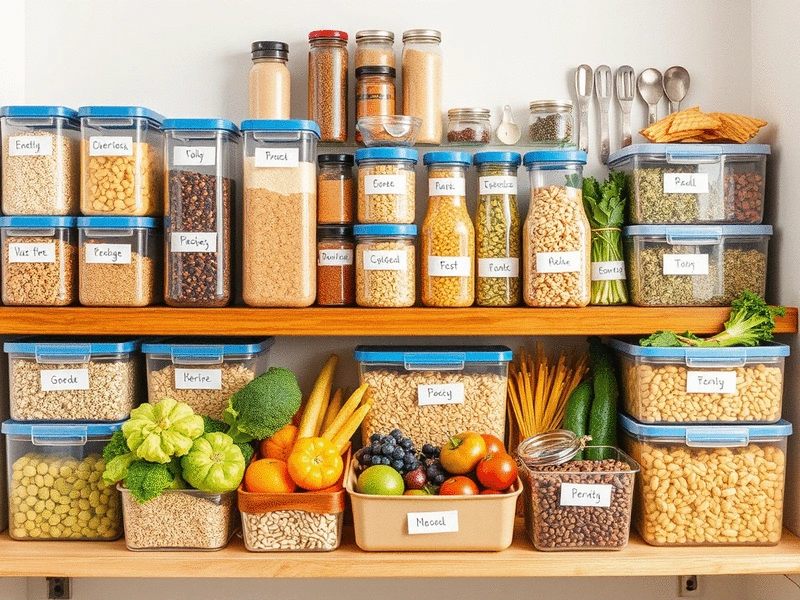
What if I told you that effective food storage could not only save you money but also enhance your well-being? By adopting smart food rotation practices, you can minimize waste and maximize freshness in your pantry. Here's how you can transform your approach to food storage.
What You Will Learn
- The importance of food rotation to maintain freshness and prevent spoilage.
- How the FIFO (First In, First Out) method can streamline your food management.
- Key strategies for interpreting expiration dates and ensuring food safety.
- Practical tips for organizing your food storage for both emergency preparedness and everyday use.
- Sustainable practices that can reduce environmental impact while enhancing your food storage efficiency.
The FIFO Method: A Process Flow for Freshness
The First In, First Out (FIFO) method is a simple yet powerful technique to ensure your food storage remains fresh and minimizes waste. This visual outlines the typical steps involved in implementing FIFO in your pantry.
1. Acquire New Items
Purchase or receive new food items. This is the starting point for all food entering your storage system.
New Stock
2. Check Dates & Organize
Note "best by" or "use by" dates. Place newer items behind older ones in your pantry or storage area.
Date Management
3. Use Oldest First
When selecting items for meals, always pick those with the earliest dates or that were stored first.
Prioritize Consumption
4. Replenish & Repeat
As items are used, replenish your stock and repeat the process, ensuring continuous rotation and freshness.
Systematic Cycle
Understanding the Importance of Food Storage Rotation
When it comes to food storage, rotation is an essential practice that can keep your supplies fresh while preventing spoilage and waste. Many urban dwellers, including myself, often overlook how vital it is to routinely check and manage our food inventory. Just think about it: how many times have you found expired items tucked away in the back of your pantry? By understanding the importance of food rotation, we can minimize waste and ensure our emergency food supplies remain a reliable resource.
Implementing a solid food rotation system not only saves money but also enhances the overall quality of your stored goods. The last thing you want is to discover that a crucial food item has gone bad right when you need it the most! Regularly rotating your food can help you stay on top of your pantry essentials while maintaining freshness.
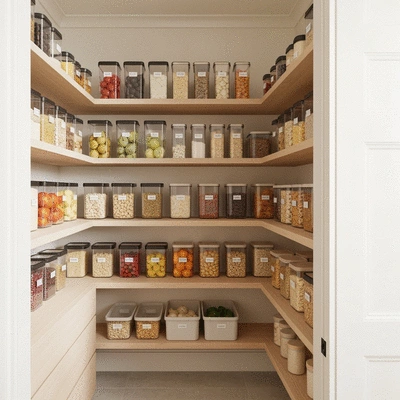
Why Rotating Your Food is Essential for Freshness
Food rotation is crucial for several reasons, primarily to prevent spoilage and waste. Here are some key benefits of practicing rotation in your food storage:
- Freshness: Using older items first ensures you consume food while it's still at its best.
- Waste Reduction: Minimizing the chances of food expiring or going bad helps you save money and resources.
- Safety: Consuming items within their recommended usage time reduces the risk of foodborne illnesses.
By prioritizing food rotation, you are actively contributing to a more sustainable lifestyle! This practice not only aligns with self-sufficiency but also enhances your preparedness for any emergency situation.
How FIFO Method Enhances Food Freshness
One of the most effective methods for ensuring your food stays fresh is the First In, First Out (FIFO) technique. This approach is straightforward: the first items you purchase or store should be the first ones you use. Implementing FIFO in your pantry and fridge can significantly enhance your food storage management.
- Organization: FIFO encourages a systematic arrangement of food, making it easier to identify what needs to be consumed first.
- Less Spoilage: By using older items first, you decrease the risk of them expiring before you have a chance to use them.
- Increased Efficiency: It streamlines meal planning, as you’ll always know what items need to be prioritized in your cooking.
As you implement the FIFO method, you’ll find managing your food supplies to be a smoother process. It’s not just about survival; it’s about adopting a holistic approach to your urban sustenance strategy!
The Role of Expiration Dates in Food Storage
Understanding expiration dates is critical in maintaining food safety and minimizing waste. These dates provide important information about when food is at its peak quality and when it might not be safe to eat. Taking the time to familiarize yourself with these dates can significantly contribute to your food storage management. For comprehensive guidance on understanding and interpreting food dating practices, you can refer to insights from the National Library of Medicine.
- Types of Dates: Familiarize yourself with terms like "best by," "sell by," and "use by" to effectively interpret labels.
- Regular Checks: Periodically check your pantry for items nearing their expiration dates to ensure timely consumption.
- Food Quality: Remember that while some foods might be safe to eat after their expiration date, their quality might not be as good.
By keeping track of expiration dates, you not only ensure food safety but also reduce waste, aligning with our mission at Urban Sustenance Solutions to promote self-sufficiency and mindful consumption.
Effective Strategies for Maintaining Your Food Storage
As we move forward, let’s explore effective strategies that will help you keep your food storage organized and efficient. By applying these techniques, you can create a sustainable food storage system that supports your urban prepping efforts!
Pro Tip
To take your food storage rotation to the next level, consider labeling your containers with purchase dates. This simple practice allows you to quickly identify which items need to be used first, ensuring that nothing goes to waste. Plus, when combined with the FIFO method, it creates a seamless system for managing your pantry!
Long-Term Storage Tips for Sustainable Practices
When it comes to effective long-term food storage, it’s crucial to recognize that different food categories have unique needs. Each type requires specific techniques to ensure freshness and minimize waste, which is where my expertise at Urban Sustenance Solutions comes into play!
Understanding how to store these food types properly can lead to greater resilience in your household. Here’s a quick overview of how to approach storage for various food categories:
- Dry Foods: Keep in a cool, dark place and use airtight containers to prevent moisture.
- Frozen Foods: Ensure your freezer is set below 0°F (-18°C) and use vacuum-sealed bags for optimal preservation.
- Refrigerated Foods: Maintain temperatures between 32°F to 40°F (0°C to 4°C) and organize to facilitate airflow.
By employing these tailored strategies for each category, you can enhance the longevity of your food supplies, which is vital for any urban prepper.
Incorporating Sustainability Into Your Food Storage Practices
In a world where sustainability is increasingly essential, integrating eco-friendly practices into your food storage is not just smart—it’s necessary! As someone passionate about urban survival, I believe that our approach to food storage can reflect our values while reducing our environmental footprint.
Some practical strategies for sustainable food storage include:
- Using reusable containers instead of plastic bags to reduce waste.
- Composting food scraps to minimize landfill waste and enrich your garden.
- Seeking out local farms for seasonal produce to reduce the carbon footprint associated with transportation.
Embracing these practices not only helps the environment but also fosters a deeper connection with the food we consume and encourages a healthier lifestyle.
Emergency Preparedness: Building Your Food Storage for Disasters
When it comes to preparing for emergencies, having a well-thought-out food storage plan can make all the difference. At Urban Sustenance Solutions, I guide families on how to build an emergency kit that features shelf-stable foods for any crisis. Research on food storage for emergency preparedness and health implications can be found through resources like the National Center for Biotechnology Information.
Here are some essential tips for assembling your emergency food storage:
- Focus on non-perishable items like canned goods, dried grains, and freeze-dried meals.
- Include a variety of foods to ensure nutritional balance—think proteins, carbohydrates, and fats.
- Store enough food to last at least three days per person in your household.
By following these steps, you can create a robust food storage system that stands ready for any challenges that may arise, giving you peace of mind.
Frequently Asked Questions (FAQs)
The FIFO (First In, First Out) method is a food storage technique where the first items purchased or stored are the first ones used. It's crucial for maintaining freshness, minimizing waste by preventing items from expiring, and streamlining overall food management.
It's important to differentiate between "best by," "sell by," and "use by" dates. "Use by" dates indicate when a product should be consumed for safety reasons, while "best by" and "sell by" dates refer more to peak quality. Always check labels and prioritize consumption of items nearing these dates.
Sustainable food storage practices include using reusable containers to reduce plastic waste, composting food scraps to minimize landfill impact, and sourcing produce from local farms to lower transportation-related carbon footprints.
For emergency preparedness, focus on non-perishable items such as canned goods, dried grains (rice, pasta), and freeze-dried meals. Ensure a variety of foods to provide nutritional balance (proteins, carbohydrates, fats) and store enough to last at least three days per person in your household.
Yes, different food categories have unique storage needs. Dry foods should be kept in cool, dark places in airtight containers. Frozen foods require temperatures below 0°F (-18°C) and vacuum-sealed bags, while refrigerated foods need temperatures between 32°F and 40°F (0°C to 4°C) with good airflow.
Recap of Key Points
Here is a quick recap of the important points discussed in the article:
- Regular food rotation helps maintain freshness and prevents spoilage, reducing waste.
- The FIFO (First In, First Out) method enhances food management by using older items first.
- Understanding expiration dates is vital for ensuring food safety and quality.
- Different food categories require specific storage techniques for optimal freshness.
- Incorporating sustainable practices, such as using reusable containers, can minimize environmental impact.
- Building an emergency food supply is essential for preparedness, focusing on non-perishable items.

Gavin Lakewood
Meet Gavin Lakewood, urban survival expert and founder of Urban Sustenance Solutions. With years of hands-on experience, Gavin empowers city dwellers to achieve self-sufficiency through smart food storage, water purification, and practical emergency strategies—all tailored for apartment and urban living. His mission? To equip you with the knowledge and confidence to keep your family nourished, hydrated, and resilient, no matter what challenges come your way.
Popular Posts
Selecting Water Purification Tablets Wisely
![How to Choose the Right Water Purification Tablets for Your Needs]() Water is essential for life, yet many may overlook the importance of ensuring its cleanliness. As we
Water is essential for life, yet many may overlook the importance of ensuring its cleanliness. As we
 Water is essential for life, yet many may overlook the importance of ensuring its cleanliness. As we
Choosing Food Containers for Survival
![The Ultimate Guide to Choosing the Right Food Containers for Urban Survival: Mylar Bags vs. Other Options]() Did you know that effective food preservation can significantly improve your preparedness during eme
Did you know that effective food preservation can significantly improve your preparedness during eme
 Did you know that effective food preservation can significantly improve your preparedness during eme
Simple DIY Water Purification Methods
![DIY Water Purification Techniques: A Step-by-Step Guide]() In today's urban landscape, the ability to purify water is not just a skill; it's a vital necessity.
In today's urban landscape, the ability to purify water is not just a skill; it's a vital necessity.
 In today's urban landscape, the ability to purify water is not just a skill; it's a vital necessity.
Budget-Friendly Food Supply Solutions
![How to Build a Long-Term Food Supply System on a Budget: Cost-Effective Strategies]() In the realm of urban survival, preparedness extends beyond mere supplies; it’s about crafting a s
In the realm of urban survival, preparedness extends beyond mere supplies; it’s about crafting a s
 In the realm of urban survival, preparedness extends beyond mere supplies; it’s about crafting a s
